

Summer is tough on cars. While most drivers worry about winter cold, extreme heat causes just as much, if not more, damage to your vehicle’s key systems. At Ask About Cars, we’ve put together this practical, budget-conscious guide to help you get your car through the hottest months without expensive breakdowns or long-term damage.

The best part? Most of these checks cost nothing or close to nothing, and they can save you hundreds in repair bills.
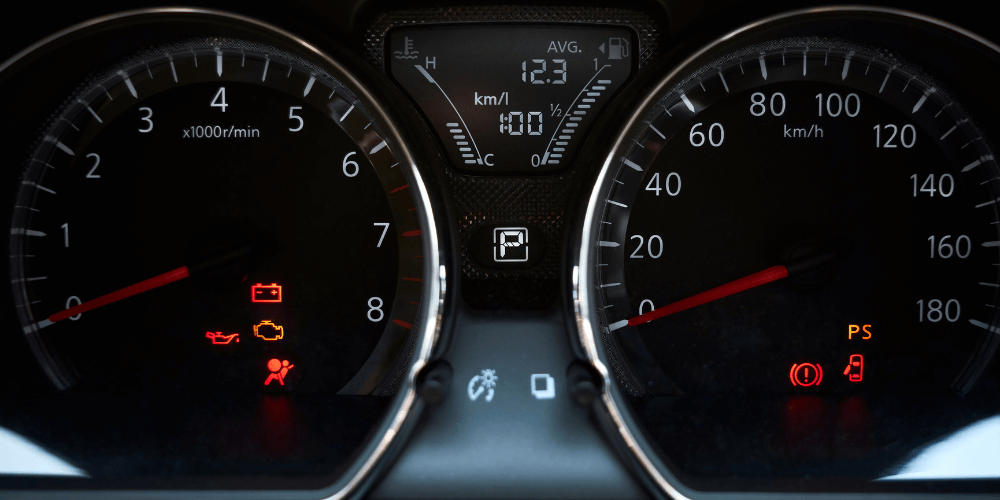
1. Get Your Air Conditioning Serviced
A failing air conditioning system is the most immediately noticeable summer car problem and the most uncomfortable. But beyond comfort, a refrigerant leak or compressor issue left unaddressed can cause internal component damage that is far more expensive to fix later.
If your A/C blows warm air, takes too long to cool, makes unusual noises, or produces musty odours, have it inspected before summer peaks. An A/C regas (refrigerant top-up) is typically one of the cheapest professional car services available.
2. Check Your Battery
Most drivers think of battery failures as a winter problem, and they are common in cold weather. But extreme heat actually accelerates battery degradation by evaporating the internal fluid and corroding the internal structure.
If your battery is more than three years old, have it load-tested before summer. Most auto shops do this for free. See our car maintenance tips guide for the full rundown on battery care throughout the year.
- Keep terminals clean and free of white corrosion build-up
- Ensure the battery is securely clamped in hot conditions, as it accelerates wear
- If the car cranks slowly on a warm morning, the battery is likely struggling
3. Monitor Your Coolant Level and Condition
Your engine’s cooling system is working hardest in summer. Coolant (antifreeze) circulates through the engine to absorb heat and carry it to the radiator, where it disperses. If coolant levels are low or the fluid is degraded, your engine can overheat, one of the most expensive mechanical failures possible.
- Check the coolant reservoir level when the engine is cold. Never open it when hot
- The fluid should be clear or lightly tinted, not brown or rusty (which signals contamination)
- Top up with the correct coolant type for your vehicle. Mixing types can cause issues
- Have the cooling system pressure-tested if your car runs hotter than usual
Summer Car Care Checklist — What to Check and How Often
|
System
|
Check Frequency |
DIY or Professional |
Cost if Neglected |
|---|---|---|---|
| Air conditioning | Before summer / annually | Professional | Compressor failure — very expensive |
| Battery | Before summer / if 3+ years old | Free at auto shops | Breakdown at the worst time |
| Coolant level & condition | Monthly / before long trips | DIY | Engine overheating — extremely expensive |
| Tyre pressure | Weekly in summer | DIY | Blowout, poor fuel economy |
| Exterior wax/paint | Every 4–6 months | DIY or professional | Paint fade, rust, reduced resale value |
| Wiper blades | Every 6–12 months | DIY | Zero visibility in sudden summer storms |
4. Check Your Tyres Weekly in Summer
Heat causes the air inside your tyres to expand, which can push pressure above the recommended level. Over-inflated tyres have a smaller contact patch with the road, reducing grip and increasing the risk of a blowout, particularly on hot motorway surfaces.
In summer, check your tyre pressure weekly, not just monthly. Always check when cold (before driving or after the car has sat for at least three hours). Also, inspect tyre sidewalls for cracking. UV exposure degrades rubber over time.
For a full explanation of correct tyre maintenance, visit our essential car maintenance guide.
5. Protect Your Car’s Exterior from UV Damage
UV rays are the primary cause of paint fading and oxidation. They also degrade rubber seals, plastic trim, and window tints. Regular waxing creates a protective barrier between your paint and the sun, and as we explain in The Role of Car Care in Maximizing Vehicle Resale Value, paint condition is one of the biggest drivers of resale price.
- Wax your car every 4–6 months, more frequently if you can’t park in the shade
- Use a UV-protective spray on plastic trim and rubber seals
- Park in covered or shaded areas whenever possible
- Consider a car cover if your vehicle must stay outside for extended periods
6. Protect Your Interior from Heat Damage
Interior temperatures in a parked car in direct summer sun can exceed 60°C. At those temperatures, dashboards crack, leather dries out and splits, and electronic components can be damaged.
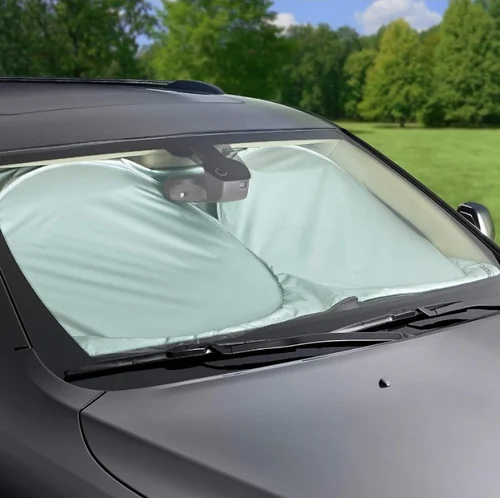
- Use a reflective windscreen sunshade every time you park in the sun, inexpensive and highly effective
- Apply UV-protective dashboard conditioner every few months
- Condition leather seats regularly with a quality leather conditioner to prevent cracking
- Tinted windows (within legal limits) significantly reduce interior heat build-up
7. Check Wiper Blades
Summer heat bakes rubber wiper blades, causing them to crack, harden, and smear rather than wipe. This is a problem when a sudden summer storm hits, and you need clear visibility immediately.
Replacing wiper blades is one of the cheapest and easiest DIY car maintenance tasks. Do it at the start of summer and again before autumn arrives.
8. Keep an Emergency Kit in the Car
Summer breakdowns happen more often than people expect: A/C failures, overheating, tyre blowouts. A simple emergency kit in your boot costs very little but gives you critical options if something goes wrong away from home.
- Reflective warning triangle or road flares
- Jump leads or a portable jump starter battery pack
- Tyre inflator (12V plug-in type, cheap and compact)
- A litre of the correct coolant (pre-mixed)
- A bottle of water for the driver and as an emergency coolant top-up if stranded
Conclusion
Summer car care doesn’t have to be expensive. Most of these checks take less than 10 minutes and cost nothing. The ones that do cost something like an A/C service or a professional wax pay for themselves many times over in prevented breakdowns and protected resale value. For the full picture on protecting your investment year-round, read The Role of Car Care in Maximizing Vehicle Resale Value and our guide to maximizing your car’s resale value. Find more seasonal and everyday car advice at Ask About Cars.